Contents (10 sections)
- What are Mindful Leisure Activities?
- Step 1: Choosing the Right Activity
- Step 2: Creating the Right Environment
- Step 3: Practicing Mindfulness
- Step 4: Reflecting on Your Experience
- Step 5: Building a Routine
- ## FAQs
- ## Glossary
- ## Checklist for Mindful Leisure Activities
What are Mindful Leisure Activities?
Mindful leisure activities refer to those pursuits that engage your attention and senses fully, promoting a state of mindfulness. This approach encourages you to be present and aware, enhancing your enjoyment and relaxation during your free time. Activities such as reading, gardening, hiking, or even painting can become mindful when approached with intentionality. According to a study published in the Journal of Health Psychology, individuals who engage in mindfulness during leisure report lower stress levels and greater satisfaction with their lives (Smith et al., 2025). The essence of these activities lies in their ability to shift your focus from worries about the past or future to the present moment.
Incorporating mindfulness into leisure activities can significantly improve mental well-being. The practice not only allows for relaxation but also cultivates a deeper appreciation for everyday experiences. By actively participating in leisurely activities mindfully, you will find a more profound sense of connection with yourself and your environment.
Step 1: Choosing the Right Activity
Selecting a mindful leisure activity involves considering both your interests and the potential for mindfulness. Begin by listing activities you currently enjoy or want to explore. Consider activities like:
- Yoga or Tai Chi: Both incorporate guided movement and breath awareness, promoting relaxation and mindfulness.
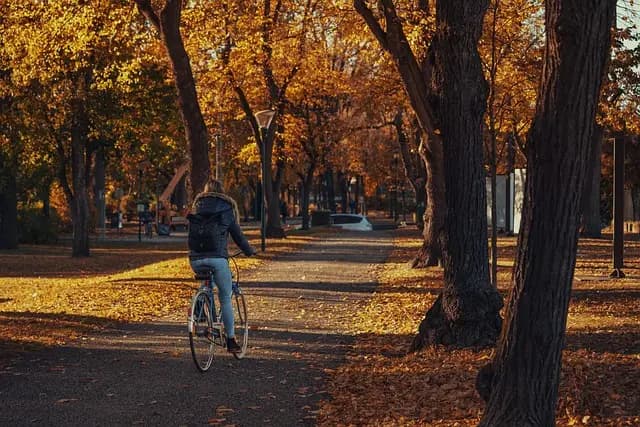
- Nature Walks: Spending time in nature fosters mindfulness through sensory engagement — listen to the sounds of the environment, observe the details of plants, and feel the breeze.
- Artistic Pursuits: Activities such as painting or crafting can serve as meditative processes when you focus on the creation itself rather than the outcome.
When choosing an activity, make sure it resonates with you. This connection is vital in fostering genuine mindfulness. It might also be helpful to trial a couple of activities before settling on a regular practice. Watch for feelings of joy or fulfilment, as these are excellent indicators of a suitable activity.
Step 2: Creating the Right Environment
The environment plays a crucial role in enhancing mindfulness. A tranquil setting allows you to focus better and reduces distractions. Here are some tips to create an optimal environment for mindful leisure activities:
- Diminish Distractions: Turn off electronic devices, or at least silence notifications. A clutter-free space aids concentration and promotes a restful mind.
- Incorporate Nature: If possible, engage in activities near natural surroundings. Outdoor environments significantly boost feelings of relaxation and mindfulness.
- Personal Touches: Decorate your space with items that inspire you. This might include plants, artwork, or calming scents from essential oils or candles.
Creating an experience that appeals to the senses enhances the activity's mindful characteristics. You may also want to establish specific times for your activities to build a routine, making your practice more consistent and effective.
Step 3: Practicing Mindfulness
Once you are settled into your chosen environment with your selected activity, it’s essential to practice mindfulness effectively. Here are some key strategies:
- Focus on Your Breath: Begin by taking a few deep breaths. Focusing on your breathing will help ground you in the current moment.
- Engage Your Senses: Pay close attention to what you see, hear, feel, and smell. This acute awareness transforms ordinary actions into extraordinary experiences.
- Let Go of Judgement: Allow your thoughts to come and go without judgement. It’s normal for the mind to wander; gently bring your focus back to the activity.
Engaging in these practices can enhance your experience, deepening your connection to the task at hand. Mindfulness is about enjoying the process, fostering self-compassion, and being authentic in your leisure pursuits.
Step 4: Reflecting on Your Experience
After completing your mindful leisure activity, taking time for reflection is crucial. This step helps solidify the benefits and allows you to learn from the experience:
- Journal Your Thoughts: Writing about your experience can clarify feelings and thoughts that arose during the activity. Consider your emotional state before, during, and after.
- Evaluate the Activity: What worked well? What didn’t resonate? This evaluation can help refine your future choices.
- Express Gratitude: Consider expressing gratitude for the experience or art created. This positive reinforcement cultivates an appreciation for the moment and its effects on your wellbeing.
Reflection, much like the practice itself, requires patience and an open mindset. Make it a calming ritual as part of your routine.
Step 5: Building a Routine
Incorporating mindful leisure activities into your regular schedule can help enhance your mental health. Here are some tips:
- Set a Schedule: Dedicate specific times during the week for these activities. Consistency is key to reaping the long-term health benefits.
- Start Small: If you have a busy schedule, begin with shorter sessions. Even 15-30 minutes can provide significant benefits.
- Join a Community: Consider joining local or online groups pursuing similar interests. Shared experiences can enhance motivation and commitment.
Building a routine not only contributes to emotional wellness but also reinforces the habit of mindfulness in your day-to-day life. Over time, these activities contribute to a more fulfilling lifestyle.
FAQs
- What are the best activities to practise mindfulness?
Mindful activities can include yoga, hiking, crafting, and reading. Choosing an activity that you enjoy increases engagement.
- How does mindfulness improve my leisure time?
Mindfulness enhances enjoyment and reduces stress, allowing for deeper relaxation during leisure activities.
- Can mindfulness be practised alone?
Yes, mindfulness can be practiced alone through self-guided activities like meditation, reading, or engaging in hobbies.
- How often should I practise mindful leisure activities?
Aim for at least a couple of times per week initially, gradually increasing frequency as it becomes part of your routine.
Glossary
| Terme | Définition |
|---|---|
| Mindfulness | Un état de conscience attentif qui valorise l’instant présent sans jugement. |
| Leisure | Temps de détente consacré à des activités choisies pour le plaisir. |
| Mindful Activities | Activités intégrant la pleine conscience, augmentant la concentration et l’attention. |
Checklist for Mindful Leisure Activities
- [ ] Choose an activity that interests you.
- [ ] Create a distraction-free environment.
- [ ] Practice mindfulness techniques throughout the activity.
- [ ] Reflect on your experience post-activity.
- [ ] Set regular times in your week for mindful leisure.
🧠 Quiz rapide : What is a key component of mindful leisure activities?
- A) Multitasking
- B) Engaging your senses
- C) Rushing through experiences
Réponse : B — Engaging your senses is crucial for mindfulness.
📺 Pour aller plus loin : Mindful Leisure Activities Explained, une analyse complète de l'importance de la pleine conscience dans vos loisirs. Recherchez sur YouTube :
mindful leisure activities tips.
📺 Pour aller plus loin : mindful leisure activities tips sur YouTube