Contents (13 sections)
Table of Contents
Introduction
Tea tasting is more than just sipping a beverage; it's an art that involves the careful evaluation of flavours, aromas, and colours. By exploring various tea tasting techniques, enthusiasts can enhance their appreciation and understanding of tea. In this guide, you'll embark on a journey to master this exquisite craft.
1. Understanding Tea Tasting Techniques
Tea tasting techniques are structured approaches to assessing the qualities of tea. This practice encompasses several dimensions including savour, aroma, and colour evaluation. Understanding these techniques lays the foundation for a rich tasting experience. According to Wikipedia, tea tasting helps differentiate the wide variety of teas available globally, from white and green to black and oolong, each with a distinctive profile that reveals itself through systematic tasting.
2. Preparing for a Tasting Session
Preparation is key to a successful tea tasting session. Start by selecting a quiet, clutter-free environment where focus is undisturbed. Use fresh, filtered water heated to appropriate temperatures for each tea type. For instance, green tea typically requires cooler water than black tea. Select quality loose-leaf teas to experience nuanced flavours. An essential tip is to have palate cleansers, like unsalted crackers, to reset your taste.
3. Essential Tea Tasting Tools
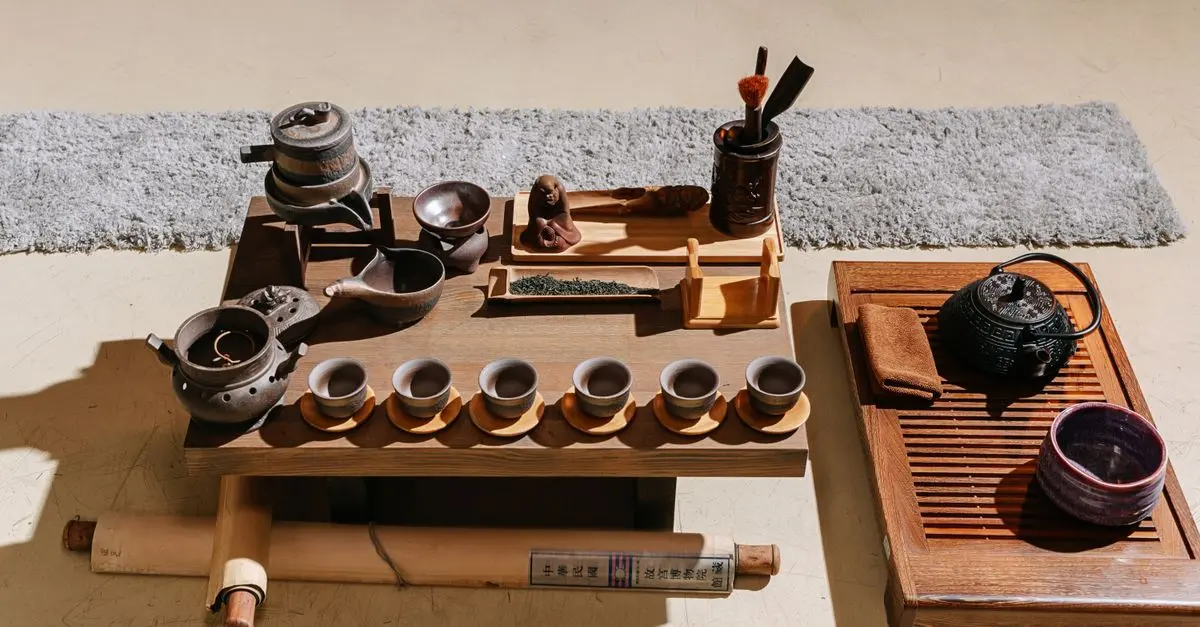
Equipping yourself with the right tools enhances the tea tasting techniques experience. Use a gaiwan or a simple infusion teapot, along with a kettle that allows precise temperature control. A digital timer ensures accurate steeping times. A tea scale for leaf measurement is ideal for consistency. Don't forget tasting cups, which can be either porcelain to prevent flavour distortion or glass for visual appreciation.
4. Mastering the Tasting Process
The tasting process is segmented into distinct stages that develop your palate's sensitivity. Start by observing the dry leaf, which offers clues to the tea's quality through colour and aroma. Next, steep the tea, observing its evolution into a liquid, smelling the leaves and infusion. Sip the tea, letting it roll across different areas of your tongue. Experienced tasters often slurp tea to aerate it, which enhances flavour perception.
5. Identifying Flavours and Aromas
Developing the ability to identify various flavours and aromas is essential in tea tasting. Start by recognising the basic tastes: sweet, sour, bitter, and umami. From there, try to detect more subtle notes like floral, fruity, or earthy tones, common in many teas. Tools such as aroma kits can help train your nose, akin to wine tasting, giving you a vocabulary for describing your sensory experiences.
6. Frequent Mistakes and How to Avoid Them
Even seasoned enthusiasts make mistakes when honing their tea tasting techniques. A common error is using water that's too hot, which can burn delicate leaves and alter flavour profiles. Over-steeping is another pitfall that often results in bitterness. To avoid these, adhere to recommended steeping times and temperatures specific to each type of tea. Always note that smaller tasting portions and consistency lead to better comparisons.
📺 Resource Video
📺 For further enrichment: [Tea Tasting Masterclass]. Immerse yourself in learning the nuances of tasting through this detailed session available on YouTube. Search for: "tea tasting masterclass techniques 2026".
Comparative Table of Tasting Techniques
| Technique | Precision | Equipment Needed | Difficulty | Verdict |
|---|---|---|---|---|
| Traditional | Moderate | Basic | Easy | Good for beginners |
| Professional | High | Professional kits | Advanced | Optimal for experts |
| Expressive | Low | Minimal | Easy | Great for casual tastings |
| Term | Definition |
|---|---|
| Gaiwan | A traditional Chinese lidded bowl used for brewing tea. |
| Aroma Kits | Sets designed to train your sense of smell with reference scents. |
| Palate Cleanser | A food or drink used to neutralize, cleanse, and clear the palate between tasting different teas. |
- What is the best tea to start with for beginners?
For beginners, starting with a mild green tea or an oolong can provide a gentle introduction to the tea world.
- How often should I cleanse my palate?
Cleanse your palate after every two to three different teas to maintain taste accuracy.
- What role does water quality play in tea tasting?
Water quality is crucial; impurities can significantly alter the taste and aroma of tea.
- Can I use a standard household kettle for tea tasting?
While possible, a kettle with temperature control is recommended for precise brewing.