Contents (12 sections)
Making a perfect cup of coffee at home is an art. With the right technique, you can rival that of your favourite café. In this step-by-step guide, we'll cover everything from selecting the best beans to pouring the final drop.
Understanding the Basics of Coffee Brewing
Before delving into the brewing process, it's essential to understand the core elements that influence flavour. Coffee brewing is as much a science as it is an art. The type of coffee bean, grind size, water temperature, and brewing time all contribute significantly to the final taste of your cup. According to Coffee Quality Institute, each variable can dramatically alter the flavour profile, rendering your coffee uniquely yours.
Step 1: Selecting High-Quality Beans
It all begins with the beans. Choose Arabica beans for a rich and smooth taste or Robusta for a stronger, more bitter flavour. Opt for freshly roasted beans; the fresher, the better. Look for roast dates rather than expiration dates when purchasing. This means that your beans are fresh—ideally consumed within 1-2 weeks after roasting. An Oxfam Fairtrade study highlighted that ethically sourced beans often result in a superior taste due to careful cultivation processes.
Step 2: Grinding the Beans Correctly
The grind size greatly impacts the extraction process. A coarse grind is ideal for slow brew methods like a French press, while espresso requires a fine grind. Grind your beans just before brewing to ensure maximum freshness and aroma. According to UFC-Que Choisir, using a burr grinder yields more consistent grind sizes than blade grinders, enhancing the extraction process.
Step 3: Determining the Right Water Ratio
The coffee-to-water ratio is critical. A standard ratio suggested by the Specialty Coffee Association is 1:18 — one gram of coffee per 18 grams of water. Adjust according to taste; for a stronger brew, decrease the water slightly. Always use filtered water to avoid impurities and achieve the best flavour.
Step 4: Perfecting Water Temperature
Water temperature should be between 90-96°C. Too hot will result in bitter coffee; too cold, and it will be weak. Many coffee brewers come with temperature controls, but using a simple thermometer works just as well. According to l’Association Française de Normalisation, specific temperature controls ensure better consistency in brewing.
Step 5: Mastering the Brewing Method
Choose a method: drip, French press, AeroPress, or espresso machine. Each has its pros and cons. Drip brewing is simple and consistent, while French press brings out oils and robust flavours. An AeroPress is fast and versatile, and an espresso machine delivers classic café-style coffee.
| Method | Time Needed | Equipment Cost | Skill Required | Verdict |
|---|---|---|---|---|
| Drip | ~5 min | Low | Minimal | Great for ease. |
| French Press | ~4 min | Low | Moderate | Rich flavours. |
| AeroPress | ~3 min | Moderate | Moderate | Versatile. |
| Espresso | ~2 min | High | High | Café quality. |
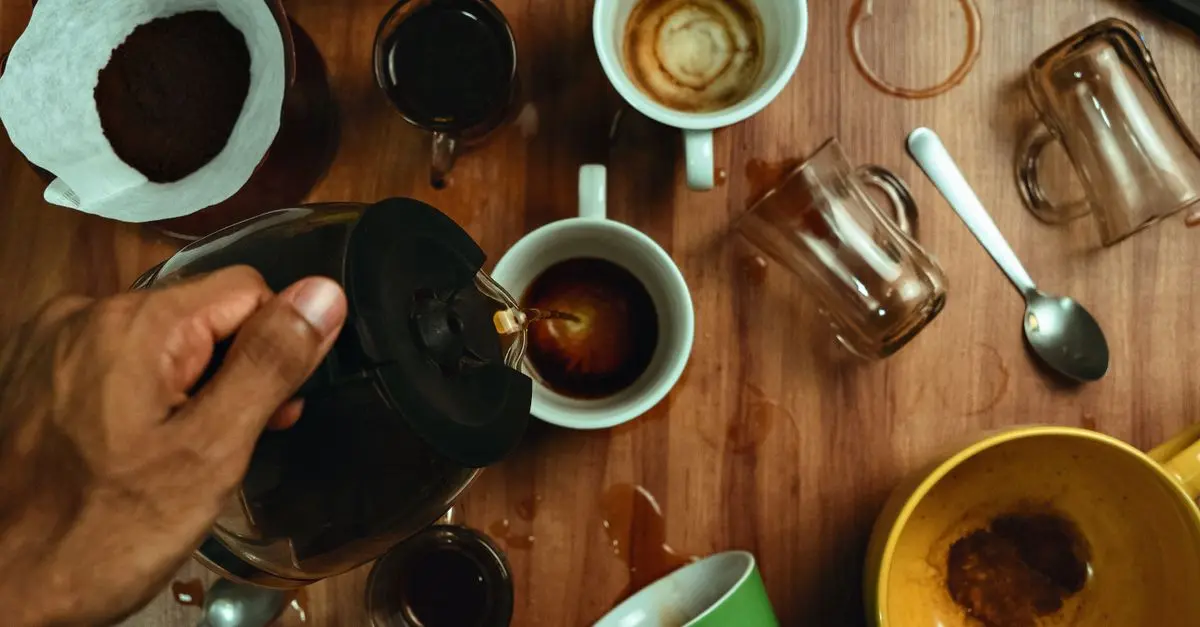
For manual methods like pour-over, maintain a steady and slow pour. This allows even extraction and better flavour development. Spread the water evenly over the grounds in a circular pattern to ensure all the grounds are saturated. Poor pouring can lead to under or over-extraction, resulting in sour or bitter coffee.
Step 7: Tasting and Adjusting
After brewing, taste your coffee and adjust grind size, water ratio, and brewing time until you find your perfect brew. Coffee is subjective; what appeals to one may not to another. Experiment with variables and flavours as your skills and palate develop.
📺 Resource Video
📺 For more details: Complete Guide to Home Coffee Brewing, a video exploring all elements discussed. Search on YouTube: "perfect coffee brewing techniques 2026".
Glossary
| Term | Definition |
|---|---|
| Arabica | A type of coffee bean known for its smooth, nuanced flavour. |
| Robusta | A coffee bean variety that is stronger and more bitter. |
| Extraction | The process of dissolving coffee grounds into water. |
- [ ] Choose high-quality coffee beans.
- [ ] Ensure the correct grind size for your brewing method.
- [ ] Measure water ratio precisely.
- [ ] Set water to the right temperature.
- [ ] Decide on a brewing method.
- [ ] Pour steadily and properly.
- [ ] Adjust based on taste preference.
🧠 Quiz rapide: [Which factor alters the coffee flavour the most?]
- A) Brewing time
- B) Water type
- C) Bean quality
Réponse : C — The bean quality is the foundation of flavour.