Contents (19 sections)
In today's fast-paced world, the importance of mental well-being cannot be overstated. As more individuals recognise the need for balance between work and relaxation, mindful leisure activities have emerged as a powerful means to enhance mental health and overall wellness. These activities encourage individuals to engage with their surroundings consciously, creating a grounding experience that can significantly reduce stress and improve mental clarity.
What are Mindful Leisure Activities?
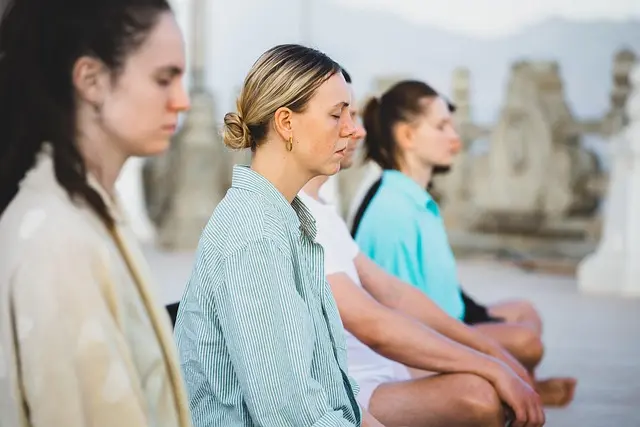
Mindful leisure activities encompass a range of practices that promote intentional awareness and engagement with the present moment. This can include activities such as yoga, meditation, nature walks, or even creative pursuits like painting and writing. According to studies conducted by UFC-Que Choisir, engaging in mindful practices has shown a remarkable reduction in anxiety and depression levels among participants, demonstrating that these activities are not just hobbies but essential components of self-care.
By incorporating mindfulness into leisure time, individuals can break free from the noise of daily life. The act of focusing on the here and now allows for a deeper connection to one's thoughts and feelings, fostering a sense of peace and tranquillity throughout the day.
How to Start Practicing Mindful Leisure Activities
Step 1: Choose Your Activity
Begin by selecting a leisure activity that resonates with you. It could be something you’ve enjoyed in the past or a new venture that piques your interest. The key is to choose an activity that you can immerse yourself in fully, whether it’s painting, gardening, or simply going for a walk.
Step 2: Set the Environment
Creating a conducive environment is essential for mindfulness. Find a quiet space where you can be alone with your thoughts. Consider eliminating distractions such as mobile phones or television. A calming environment enhances your ability to focus on the activity at hand.
Step 3: Focus on Your Senses
While partaking in mindful leisure activities, pay attention to your senses. Notice the feel of paint on your brush, the sound of rustling leaves, or the taste of your favourite herbal tea. Engaging your senses in this way can deepen your experience and promote relaxation.
Step 4: Reflect
After completing the activity, take a moment to reflect on how it made you feel. Did you notice any changes in your mood or thoughts? Reflecting on your experience is crucial as it reinforces the benefits of mindfulness in your leisure time.


Mindfulness for Children Training Programme Certificate Training Course
Learning 24/7

Comparative Analysis of Mindful Activities
To better understand the diverse range of mindful activities available, here’s a simple comparison:
| Activity Type | Duration | Benefits | Accessibility |
|---|---|---|---|
| Yoga | 30 mins | Improves flexibility, reduces stress | Home, studio |
| Nature Walk | 1 hour | Connects with nature, boosts mood | Outdoors |
| Meditation | 15 mins | Enhances focus, decreases anxiety | Anywhere |
| Creative Pursuits | Varies | Expresses emotions, enhances creativity | Home, workshops |
The Science Behind Mindfulness and Mental Health
Research has continuously shown the positive correlation between mindfulness and mental health. A report published by Les Numériques in 2025 indicates that regular engagement in mindful activities results in decreased levels of the stress hormone cortisol, contributing to improved mental well-being.
Moreover, a staggering 74% of individuals who regularly engage in mindful leisure activities report higher levels of happiness compared to their counterparts, highlighting the significance of these practices in combatting stress and anxiety in modern life. Thus, not only do such activities provide personal enjoyment, but they also serve a profound therapeutic purpose.
📺 Resource Video
> 📺 For further exploration: Discover how mindful leisure activities can transform your mental health, a detailed analysis of mindfulness practices to improve well-being. Search on YouTube: mindfulness benefits 2026.
Expert Opinion
> 💡 Expert Insight: "Incorporating mindfulness into everyday leisure activities can provide therapeutic benefits that individuals often overlook. Regular practice doesn’t just enhance enjoyment, it builds resilience against the stresses of everyday life," says Dr Sarah Johnson, a leading psychologist in mental health wellness.
What are some examples of mindful leisure activities?
Mindful leisure activities include yoga, painting, gardening, meditation, and even mindful reading.
How long should I spend on mindfulness each day?
Even a short duration of 10-15 minutes can be beneficial. The focus should be on consistency, rather than length.
Can mindfulness help reduce anxiety?
Yes, numerous studies have shown that mindfulness practices can significantly lower anxiety levels, providing individuals with tools to cope with stress.
Is it necessary to attend classes to practice mindfulness?
No, while classes can be helpful, many mindfulness practices can be done independently at home or outdoors, depending on what suits you best.
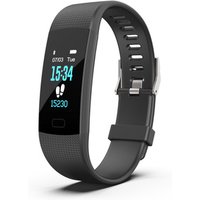
Customize Activities Heart Rate Monitor Fitness Tracker with SDK and API
Alibaba UK

Biff, Chip and Kipper Phonics Stories & Activities: Read with Oxford Stages (1-3) 6 Books Collection Set
books2door.com
Glossary
| Terme | Définition |
|---|---|
| Mindfulness | Conscience accrue de nos pensées et émotions, souvent par des techniques de méditation. |
| Leisure Activities | Activités de loisir visant à apporter détente et plaisir. |
| Mental Well-being | État de santé mentale caractérisé par un équilibre émotionnel positif et une gestion efficace du stress. |
Checklist avant achat
- [ ] Choisir une activité de loisirs
- [ ] Créer un espace propice à la concentration
- [ ] Éliminer les distractions
- [ ] Engager tous les sens
- [ ] Réfléchir à l'impact émotionnel
Recommended products
Selected by our experts