Contents (10 sections)
Travelling for festivals offers a profound way to experience cultures. These unique international festivals not only celebrate tradition but also bring communities together. One must consider the diversity of such events—from religious to musical festivities, the richness is overwhelming.
The Carnival of Venice, Italy
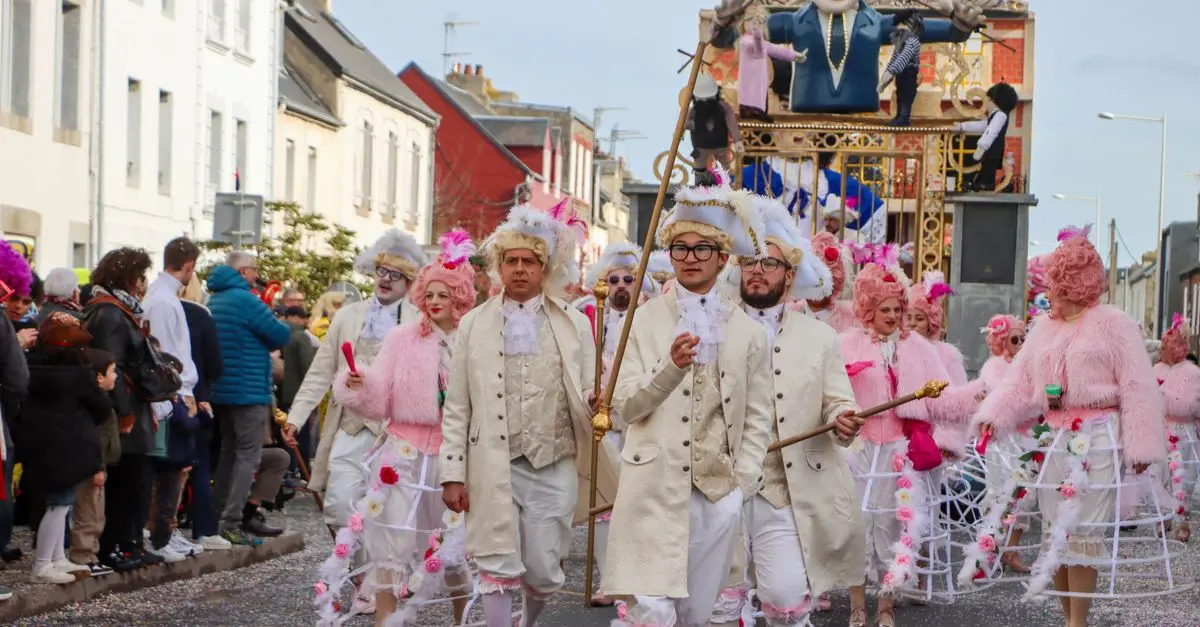
The Venice Carnival is a historical festivity dating back to the 11th century. Famed for its elaborate masks and opulent costumes, this event attracts over three million visitors each year. The city transforms into a vibrant stage where the past comes alive. Tourists are encouraged to participate in mask-making workshops to delve deeper into this traditional craft. According to Wikipedia, the carnival includes a series of grand balls and musical performances that recreate the Venetian golden age.
Holi Festival in India
Holi, often referred to as The Festival of Colours, marks the arrival of spring and the triumph of good over evil. Celebrated mainly in Mathura and Vrindavan, the birthplace of Lord Krishna, it involves exuberant crowds sprinkling gulal (colour powder), singing, and dancing in the streets. According to UFC-Que Choisir, over 100,000 tourists join in this vibrant celebration annually, mingling with local communities to experience hospitality and cultural vibrancy firsthand.
Comparisons in Festive Experiences
| Festival | Country | Key Feature | Visitor Attraction |
|---|---|---|---|
| Venice Carnival | Italy | Masks and costumes | Historical re-enactments |
| Holi | India | Colours and music | Cultural immersion |
| Oktoberfest | Germany | Beer tents | Largest folk festival |
| Day of the Dead | Mexico | Ancestral honouring | Artistic expressions |
Festivals like Oktoberfest exemplify how cultural traditions can significantly impact tourism and local economies. According to INSEE, Oktoberfest generates approximately €1.2 billion, supporting 13,000 jobs in Munich annually. This demonstrates the potential economic benefits festivals bring beyond cultural enrichment. Furthermore, gatherings like the Day of the Dead in Mexico embed social cohesion through shared heritage and artistic appreciation.
📺 Ressource Vidéo
📺 Pour aller plus loin : Celebrate with Colours in India, a vivid look at Holi and its significance. Recherchez sur YouTube : "Vibrant Holi celebrations in India".
Expert Opinion
💡 Avis d'expert : Festivals are more than just events; they are bridges to understanding cultural diversity and heritage. Embracing the opportunity to witness or participate in these festivals could redefine one's perspective on global cultures.
- What is the most famous international festival?
The most famous could arguably be the Carnival of Rio, known for its samba parades and vibrant costumes.
- Why are festivals important to culture?
Festivals serve to reflect and perpetuate the traditions, beliefs, and values of a community, fostering a sense of belonging.
- How do international festivals influence tourism?
They attract tourists worldwide, boosting local economies through accommodation, food, and related activities.
- Which festival is known for its unique masks and costumes?
The Venice Carnival in Italy is renowned for its elaborate masks and period costumes.
Glossary
| Terme | Définition |
|---|---|
| Gulal | Traditional coloured powder used in Holi celebrations |
| Samba | A Brazilian music and dance genre known for its rhythm and vibrant expression |
| Cohesion | The action or fact of forming a united whole, often seen in community settings like festivals |
- [ ] Research festival history and significance
- [ ] Check local customs and dress code
- [ ] Book accommodation in advance
- [ ] Ensure understanding of local language or translation apps
- [ ] Stay informed of safety protocols
🧠 Quiz rapide : [What cultural element is central to the Venice Carnival?]
- A) Music
- B) Masks
- C) Dance
- Réponse : B — Masks are the defining feature of the Venice Carnival, offering mystery and tradition.