Contents (9 sections)
Mindfulness retreats offer a sanctuary from the hustle and bustle of everyday life, allowing individuals to immerse themselves in peace and reflection. But what exactly is a mindfulness retreat? Simply put, it is a dedicated period where individuals can practice mindfulness, often through meditation, yoga, and other activities that promote mental clarity. The primary aim of these retreats is to help participants gain a deeper understanding of their thoughts, emotions, and behaviours. This form of retreat is not a new concept; it has roots in ancient practices stretching back thousands of years, particularly in Eastern traditions. In recent decades, mindfulness retreats have gained popularity in the West, with a growing recognition of their health benefits. According to the Mindfulness Initiative, mindfulness can significantly improve mental health, reduce stress, and enhance overall well-being.
The Benefits of Mindfulness Retreats
Mindfulness retreats offer a plethora of benefits that extend well beyond the retreat itself. First, participants often report a profound sense of calm and clarity. This tranquillity is not just a temporary state but provides tools for managing stress long-term. Second, these retreats can open up a new perspective on life. Participants often leave with a renewed sense of purpose and direction, enabling them to make decisions that align more closely with their values and goals. Additionally, there is a growing body of scientific research supporting the efficacy of mindfulness techniques. A study published in Health Psychology Review noted that mindfulness significantly enhances mental resilience and emotional intelligence (Source: Health Psychology Review). Lastly, mindfulness retreats can foster meaningful social connections. Through shared experiences in a nurturing environment, participants can form bonds that last well beyond the retreat.
How to Choose a Mindfulness Retreat
Selecting the right mindfulness retreat can seem daunting given the plethora of options. However, focusing on a few key factors can simplify the decision-making process. Firstly, consider the location. Some may find solace in rural settings, surrounded by nature, while others might prefer a tranquil urban retreat. Secondly, the duration of the retreat is crucial. Are you looking for a weekend getaway or a week-long immersive experience? Additionally, the structure of the retreat matters. Some retreats are highly regimented with strict schedules, while others offer a more relaxed, flexible approach. The reputation and credentials of the retreat instructors should also not be overlooked. Ensure that the instructors are qualified and have substantial experience in mindfulness practices. Finally, consider your personal goals. Whether you're looking to manage stress, enhance self-awareness, or simply take a break from life's chaos, choose a retreat that aligns with your needs.
Types of Mindfulness Retreats
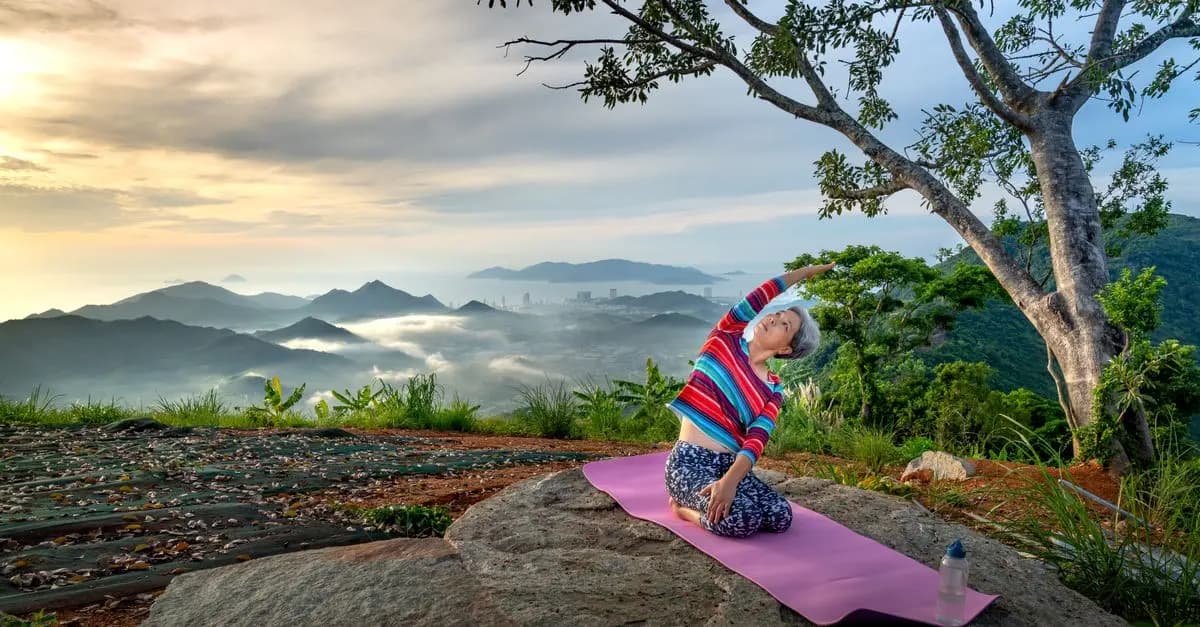
Mindfulness retreats come in various forms, each offering unique experiences and focusing on different aspects of mindfulness. Silent retreats, for example, are aimed at fostering deep reflection through prolonged periods of silence. These retreats enable participants to tune out distractions and turn inward. Digital detox retreats offer another angle, encouraging participants to disconnect from technology to reconnect with themselves and nature. For those who are physically inclined, yoga and mindfulness retreats combine meditation with yoga practices, promoting physical, mental, and emotional well-being. Meanwhile, retreats catered to specific life stages or challenges, such as those for stress reduction or personal development, focus on providing tailored experiences to meet participants' individual needs. As the popularity of mindfulness retreats grows, so does the diversity of options available.
📺 Resource Video
📺 For further exploration: Explore the Benefits of Mindfulness Retreats, a detailed overview of how these retreats can enrich your life. Search YouTube: "mindfulness retreats benefits overview".
Statistical Insights into Mindfulness
When considering the impact of mindfulness retreats, statistics provide compelling insights. According to Mindful.org, approximately 14% of Americans have tried meditation at least once, indicative of the growing interest in mindfulness practices globally. Additionally, the Global Wellness Institute reports that the wellness industry, including mindfulness retreats, is valued at over $4.2 trillion, underscoring the significant market demand. Another study by Harvard Health found that regular mindfulness practice can reduce symptoms of anxiety and depression by up to 58%. These figures highlight not just the popularity of mindfulness practices but also their profound impact on mental health and overall well-being.
Frequently Asked Questions
- What should I bring to a mindfulness retreat?
Participants are often encouraged to bring comfortable clothing, a journal for reflection, personal toiletries, and an open mind ready for transformation.
- Are mindfulness retreats suitable for everyone?
Generally, yes. However, individuals with severe mental health issues should consult a healthcare professional before attending.
- How long does the effect of a mindfulness retreat last?
Many participants report lasting effects, but it's recommended to continue practicing mindfulness regularly to maintain benefits.
- Do I need experience in mindfulness before attending?
Not necessarily. Many retreats cater to beginners and provide foundational mindfulness training.
Glossary
| Term | Definition |
|---|---|
| Mindfulness | A mental practice focusing on awareness and acceptance of the present moment. |
| Meditation | A practice where an individual uses techniques to achieve mentally clear and emotionally calm states. |
| Yoga | A group of physical, mental, and spiritual practices to promote overall health and relaxation. |
Checklist Before You Attend
- [ ] Determine your goals for attending the retreat
- [ ] Research potential retreat locations
- [ ] Review the qualifications of the retreat instructors
- [ ] Decide on the duration of the retreat
- [ ] Consider what to pack for the retreat
💡 Expert Insight: Mindfulness retreats aren't just a passing trend—they're a necessary refuge in our digitally saturated world. Kevin Williams, a certified mindfulness instructor, states, "The serenity and insight gained from these experiences are invaluable in navigating modern life's complexities."
🧠 Quiz rapide : What is a primary benefit of mindfulness retreats?
- A) Temporary escape
- B) Prolonged stress
- C) Enhanced mindfulness skills
Réponse : C — These retreats significantly enhance mindfulness skills and reduce stress.