Contents (13 sections)
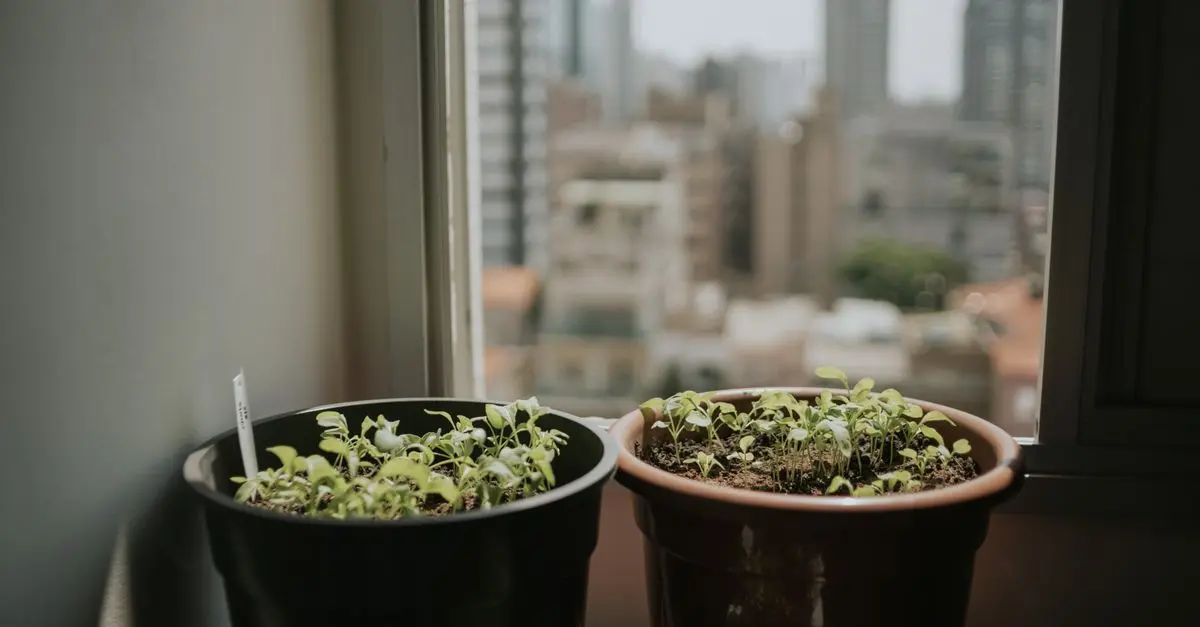
Urban gardening transforms small urban spaces into lush green havens. It combines creativity with sustainability by utilising balconies, rooftops, or tiny courtyard spaces. Why embark on this journey? Urban gardening not only beautifies your environment but also provides fresh produce, reduces carbon footprints, and improves mental well-being.
Step 1: Planning Your Urban Garden
Before sowing seeds, plan meticulously. Identify your available space—be it a balcony or window sill—assess sunlight exposure, and determine what you wish to grow. Leafy greens such as spinach and herbs are perfect for beginners due to their minimal space requirements. Remember to consider watering needs and access to resources like compost.
Step 2: Choosing the Right Containers
Selecting the right containers is crucial for urban gardening. Opt for pots that promote drainage and air circulation. Terracotta pots are classic, whereas self-watering containers provide convenience for those short on time. Vertical gardens and hanging pots can maximise small spaces.
Multi-Column Comparison Table
| Container Type | Size | Material | Ideal for | Durability |
|---|---|---|---|---|
| Pot | Small | Plastic | Herbs | Low |
| Planter Box | Medium | Wood | Vegetables | Medium |
| Vertical | Various | Metal | Flowers | High |
Step 3: Selecting the Right Plants
Match plants with your environment. Consider growing seasons and climate. In 2026, urban gardeners are increasingly leaning towards low-maintenance crops. Tomatoes, chillies, basil, and strawberries are popular choices. According to UFC-Que Choisir, these plants thrive in constrained spaces.
Step 4: Soil and Composting Basics
Soil quality impacts growth. Use well-draining organic soil mixed with compost. Homemade compost contributes nutrients and reduces kitchen waste. Compost bins or simple vermicomposting can be integrated even in limited spaces.
Step 5: Watering Techniques
Efficient watering is vital. Over-watering is a common mistake. Use a watering schedule based on plant needs and weather conditions. Drip irrigation systems offer water-saving solutions. ADEME suggests using collected rainwater where possible for sustainability.
📺 Resource Video
📺 For a deeper dive: Starting an Urban Garden: Tips and Tricks, offering practical advice with visual aids. Search on YouTube: "urban gardening tips 2026".
Step 6: Pest Control and Maintenance
Pest control naturally through companion planting and organic solutions. Garlic spray, neem oil, and companion plants deter pests. Regular maintenance, pruning, and checking for signs of disease are crucial.
Step 7: Harvesting and Enjoyment
Harvesting correctly ensures plant longevity. Pick fruits and vegetables when ripe or cut herbs above the joint to allow regrowth.
💡 Expert Opinion: An experienced gardener notes, "Urban gardening is a journey of patience and learning. Every mistake becomes a stepping-stone to a bountiful harvest."
Glossary
| Term | Definition |
|---|---|
| Vermicomposting | Using worms to convert organic waste into fertilizer. |
| Drip Irrigation | A system delivering water directly to plant roots. |
| Companion Planting | Growing different plants together for mutual benefit. |
Checklist for Your Urban Garden
- [ ] Assess available space and sunlight
- [ ] Choose suitable crops for your climate
- [ ] Acquire containers with good drainage
- [ ] Prepare nutrient-rich soil
- [ ] Establish a regular watering routine
Frequently Asked Questions
- What is the best soil for urban gardening?
A well-draining organic soil with compost is ideal for urban gardening.
- How much sunlight does an urban garden need?
Most edible plants need at least 4-6 hours of sunlight per day.
- Can I garden indoors?
Yes, with proper lighting and ventilation, indoor gardening is possible.
- What common mistakes should I avoid?
Common mistakes include over-watering, overcrowding plants, and poor sunlight access.