Contents (9 sections)
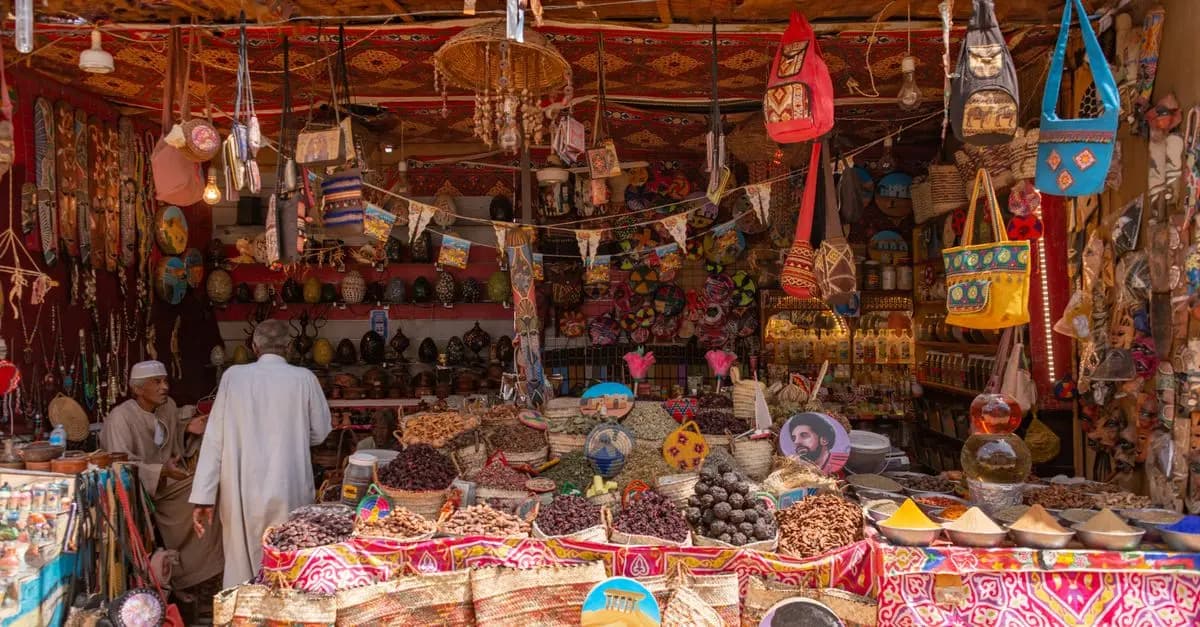
In a world that often feels fast-paced and homogenous, traditional crafts serve as a rich tapestry of cultural heritage and historical storytelling. These crafts, often passed down through generations, are not just artistic expressions but vital links to our past that continue to evolve in 2026. Understanding the intricacies of these crafts involves delving into their contexts, histories, and the roles they play in modern societies.
The Significance of Traditional Crafts
Traditional crafts reflect the diversity and complexity of human societies. From intricate Japanese origami to the vibrant textiles of Africa, each craft tells its own story of cultural significance. For instance, Chinese pottery, with its delicate motifs, offers insights into historical dynasties and philosophic principles like balance and harmony. According to the British Museum, traditional crafts like pottery and weaving date back over 4,000 years, showcasing human ingenuity and adaptation. Moreover, UNESCO has recognised several crafts, like the Sankirtana of India, as intangible cultural heritage due to their profound societal impact.
How to Practice Traditional Crafts
Engaging in traditional crafts allows one to appreciate craftsmanship firsthand. Begin by choosing a craft that resonates with you, perhaps woodcarving or silversmithing. Identify local workshops or online classes; platforms like Skillshare often provide comprehensive guides on starting from basic techniques. Invest in quality materials specific to your craft, as authenticity in resources can enhance the crafting experience. Always document your process; it creates a meaningful narrative and aids in future improvements.
Traditional Crafts: A Comparative Insight
Let's explore a range of traditional crafts across different cultures by comparing their materials, tools, complexity, and cultural influence.
| Craft | Material | Tool | Complexity | Cultural Influence |
|---|---|---|---|---|
| Pottery | Clay | Potter's Wheel | Medium | Extensive across Asia and Europe |
| Textile Weaving | Wool, Cotton | Loom | High | Essential in Africa and South America |
| Origami | Paper | Hands | Low | Deep influence in Japan |
| Blacksmithing | Iron, Steel | Forge | High | Historically crucial in Europe and Asia |
Data and Trends in Traditional Crafts
According to a study by the International Craft Council in 2026, there has been a 30% increase in interest in traditional crafts among millennials, driven largely by the desire for tangible, authentic experiences. Craft markets worldwide, valued at £42 billion in 2025, are projected to grow significantly, emphasising their economic and cultural importance.
💡 Avis d'expert : "Traditional crafts are not just relics of the past; they are vibrant components of contemporary culture," asserts Dr Marta Green, an anthropologist specialising in cultural heritage. "Incorporating these crafts into modern design can lead to innovative creations that respect and revitalise traditional techniques."
📺 Resource Video
📺 For further exploration: Discovering the Essence of Traditional Crafts, a comprehensive analysis of the global scope of traditional art forms. Search on YouTube: "traditional crafts cultural analysis 2026".
- What are traditional crafts?
Traditional crafts are handmade artistic practices passed down through generations, embodying cultural heritage.
- Why are traditional crafts important?
They maintain cultural identity, serve as economic resources, and offer insights into historical human experiences.
- How can I learn traditional crafts?
Participate in workshops, online courses, and engage with local artisans to learn these creative arts.
- What are some popular traditional crafts?
Popular crafts include pottery, textile weaving, origami, and blacksmithing, each with unique cultural attributes.
Glossary
| Terme | Définition |
|---|---|
| Origami | The art of paper folding, often associated with Japanese culture. |
| Textile Weaving | The craft of interlacing threads to create fabrics or cloth. |
| Blacksmithing | The craft of creating objects from wrought iron or steel by forging metal. |
- [ ] Identify a traditional craft of interest.
- [ ] Find local or online classes to learn the basics.
- [ ] Invest in authentic materials.
- [ ] Document your crafting process.
- [ ] Explore the cultural and historical context of the craft.
🧠 Quiz rapide : Which traditional craft uses a loom for fabric creation?
- A) Pottery
- B) Textile Weaving
- C) Blacksmithing
Réponse : B — Textile weaving involves interlacing threads on a loom.