Contents (11 sections)
Introduction
Hiking has long been celebrated for its myriad benefits, intertwining physical exertion with mental tranquillity. As we advance into 2026, the practice has taken on renewed significance as people increasingly seek sustainable leisure activities. But what makes hiking particularly suitable for our modern lives? In this article, I'll delve into the enduring benefits and experiences of hiking, making it the ideal leisure pursuit.
The Psychological Benefits of Hiking
Hiking offers unparalleled mental health benefits. During my explorations across the Peak District, I've found that the rhythmic cadence of walking catalyses a meditative state. Nature therapy, as experts describe, reduces stress levels and fosters a profound sense of well-being. According to studies, spending time in natural settings can lower cortisol levels by up to 50% compared to urban environments. Moreover, research published by The Mental Health Foundation suggests that physical activity, such as hiking, can reduce the risk of depression by over 30%.
Physical Health Advantages
Physical health is perhaps the most immediate benefit of hiking. This low-impact activity is accessible to most, offering cardiovascular and muscular benefits without the harsh impact associated with running or gym workouts. Studies by Public Health England demonstrate that regular hikers exhibit better heart health and increased flexibility. One personal experience: While hiking the South West Coast Path, I noticed a marked improvement in my endurance and general fitness over just a few weeks.
Social Connections and Solitude
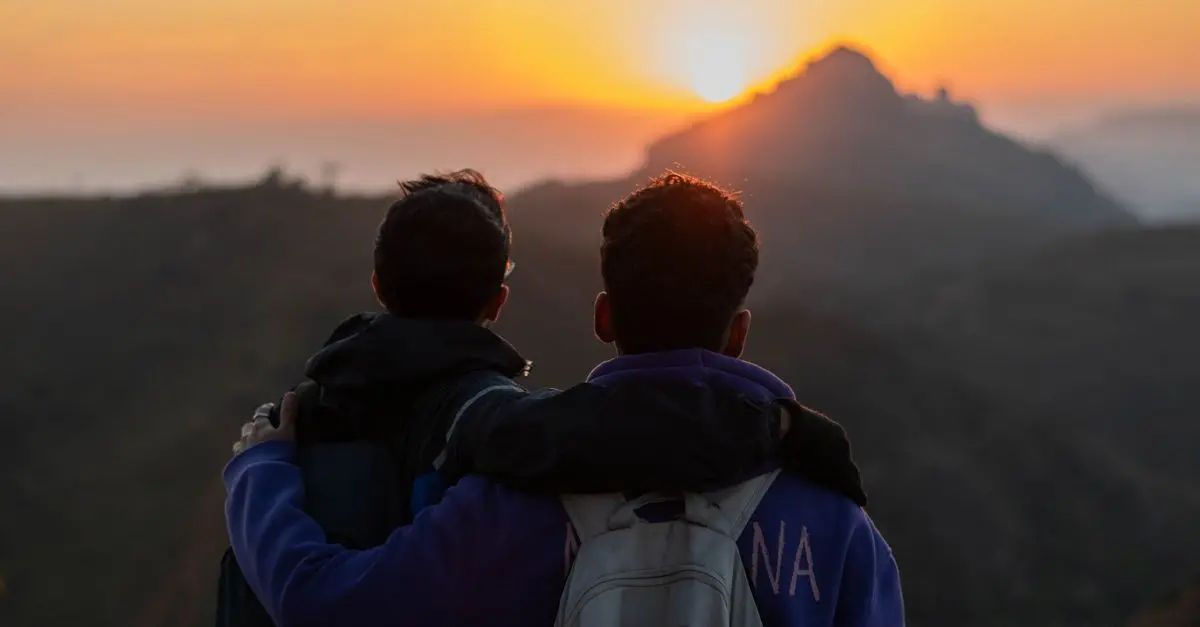
Hiking is uniquely versatile in catering to both social and solitary experiences. It allows for bonding when done in groups, as shared challenges foster camaraderie and create lasting memories. On the flipside, the solitude of a solo hike can be restorative, providing time for personal reflection. In fact, according to Visit Britain, 24% of hikers engage in the activity alone, finding it a perfect counterbalance to a busy social calendar.
Exploring Nature and Adventure
The allure of adventure and exploration is a significant draw. Hiking presents opportunities to discover the UK's diverse landscapes, from the rugged Scottish Highlands to the gentle beauty of the Lake District. This exposure to varied terrains is not just for adventure seekers but also photography enthusiasts looking to capture the perfect natural vistas. During my hikes through Snowdonia, the ever-changing landscapes never ceased to amaze me.
Environmental Impact and Sustainable Practices
While hiking is intrinsically linked to nature, its growing popularity necessitates sustainable practices. The National Trust encourages responsible hiking by promoting the 'Leave No Trace' principles, urging hikers to preserve trails and natural habitats. As an advocate for sustainable hiking, I've participated in local clean-up initiatives that aim to maintain trails for future generations.
📺 Resource Video
> 📺 For more information: [The Health Benefits of Hiking], a comprehensive analysis of hiking's impact on mental and physical wellness. Search on YouTube: "health benefits of hiking 2026".
Conclusion
In conclusion, hiking seamlessly blends health, well-being, and environmental awareness, making it an ideal leisure activity. Whether you're seeking solitude or social interaction, hiking offers a unique experience accessible to all.
Glossary
| Term | Definition |
|---|---|
| Nature therapy | A practice suggesting that interacting with nature can enhance mental well-being |
| Leave No Trace | Ethical guidelines to help preserve the beauty and integrity of nature |
| Cardiovascular | Related to the heart and blood vessels, often linked to physical fitness |
Checklist for a Successful Hike
- [ ] Plan your route and check the weather forecast
- [ ] Pack essentials: water, snacks, map, first aid kit
- [ ] Wear suitable clothing and footwear for the terrain
- [ ] Inform someone about your hiking plan
- [ ] Follow 'Leave No Trace' principles to protect the environment
🧠 Quiz rapide : What percentage of hikers engage in the activity alone?
- A) 10%
- B) 24%
- C) 50%
Réponse : B — According to Visit Britain, 24% of hikers enjoy hiking solo.